
Insurance For Trades :: News
SHARE

Share this news item!

Stolen Tools Ruling Shows Why Policy Limits Matter

What tradies should check before gear leaves the depot

Stolen Tools Ruling Shows Why Policy Limits Matter?w=400

The information on this website is general in nature and does not take into account your objectives, financial situation, or needs. Consider seeking personal advice from a licensed adviser before acting on any information.

A recent Australian Financial Complaints Authority decision is a timely warning for trade businesses that rely on tools, trailers and mobile equipment every day.
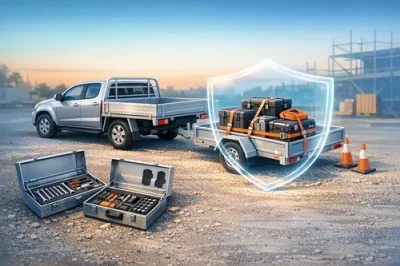
The dispute centred on a business that had tools and a trailer stolen from a worksite, then challenged the insurer’s payout after discovering the claim was limited by the portable items section of the policy.

The business lodged its claim on 18 December 2025. QBE paid $14,000 for the stolen items in January 2026 and a further $9,446 for business interruption, assessed with the help of forensic accountants. The policyholder argued the loss was much higher, saying the stolen contents were worth about $120,000 and the trailer another $28,000. It also sought a larger business interruption payment.

The key issue was where the gear was located and how the policy defined it. The business believed its contents cover should apply, partly because different worksites could be treated as business premises. AFCA did not accept that argument. Because the stolen tools were not at the listed business location, the portable contents limit applied instead. AFCA also found the trailer was excluded because the policy did not cover motor vehicles, watercraft or aircraft under that section.

For tradies, the lesson is practical rather than technical: the headline sum insured is not always the amount available for every type of loss. A policy might show a large figure for business contents, but tools carried between jobs, left on site, stored in a vehicle or loaded in a trailer may sit under a separate limit, sub-limit or exclusion. That distinction can make a major difference after a theft.

Before renewing or buying tool insurance for tradespeople, business owners should check three things carefully:

  • whether tools are covered away from the main business premises;
  • the maximum payout for portable tools, stock and equipment;
  • whether trailers, vehicles, attachments and specialist gear need separate cover.

The case also shows why business interruption cover should not be treated as automatic compensation for every lost day. Insurers may assess downtime based on financial records, likely earnings and the actual impact of the theft on trading. Keeping up-to-date invoices, job schedules and expense records can make this process smoother.

If the wording is unclear, asking a broker or adviser to explain the difference between contents, portable property, tools of trade and vehicle-related cover can help avoid expensive surprises. For sole traders and small crews, the aim is simple: make sure the way the policy is written matches the way the business actually works on site.

Published:Monday, 6th Jul 2026
Author: Paige Estritori

Please Note: We do not endorse any specific products or companies. Some content is sourced from third parties, including press releases, and may not be independently verified for accuracy or completeness.

Share this news item:

Rate this article

0 Comments

No comments yet. Be the first to share your thoughts.

Insurance News

Delayed Insurance Inquiry Keeps Tradie Cover Issues on the Table
05 Nov 2026: Paige Estritori
A federal parliamentary inquiry into small business insurance has pushed its reporting timetable into early 2027, extending the wait for recommendations that may shape future debate on affordability, availability and regulation. For Australian tradespeople, the delay matters because the inquiry is examining the commercial insurance lines many small operators rely on daily, including public liability, professional indemnity, cyber risk and business interruption cover. - read more
Why Data Centre Work Is a Different Risk for Tradies
29 Oct 2026: Paige Estritori
Australia’s fast-growing data centre construction market is opening opportunities for electrical, HVAC, fire protection, cabling, fit-out and commissioning trades, but recent insurance industry discussion suggests the risk settings are not always keeping pace with the work. At a recent Australasian Professional Indemnity Group conference, specialists warned that data centre projects can involve unusual contractual, professional and technology-related exposures, especially where contractors rely on annual insurance programs designed for more conventional building work. - read more
Cyber Scam Alerts: What Trade Businesses Should Check Now
17 Sep 2026: Paige Estritori
Fresh small business cyber warnings are a practical reminder that digital risk is no longer just a concern for large companies with complex IT systems. For Australian tradespeople, the most damaging cyber incident may be far simpler: a fake invoice, altered bank details, a compromised email account or a scam message that looks like it came from a supplier, builder, real estate agent or client. - read more


Trades Insurance Articles

Insurance Requirements for Self-Employed Tradies and Subcontractors in Australia
Self-employed tradies and subcontractors may face legal, contractual and practical insurance expectations before starting work. This guide explains what to check before accepting a job in Australia. - read more
Types of Insurance Australian Tradies Should Consider
Australian tradies work across client homes, building sites, vehicles and workshops, often with tools, equipment and physical risks involved. The right mix of insurance can vary by trade, business structure and the type of work performed, but several cover types are commonly considered by tradespeople who want to manage third-party liability, income interruption and asset risks. - read more
Protecting Your Trade: Public Liability Insurance Explained
Public liability insurance is designed to protect businesses and tradespeople against legal costs and compensation claims for injury or damage to property by a third party. In layman's terms, it covers you if someone sues your business for damages. - read more
First Name:
Postcode:

All quotes are provided obligation-free by a participating broker from our national referral partner network. We respect your Privacy.


Knowledgebase
Insurable Interest:
A financial or other kind of interest in the insured item or person, necessary for a valid insurance contract.